Precise shot, accurate hit – MitaPoint Barrel Tuner
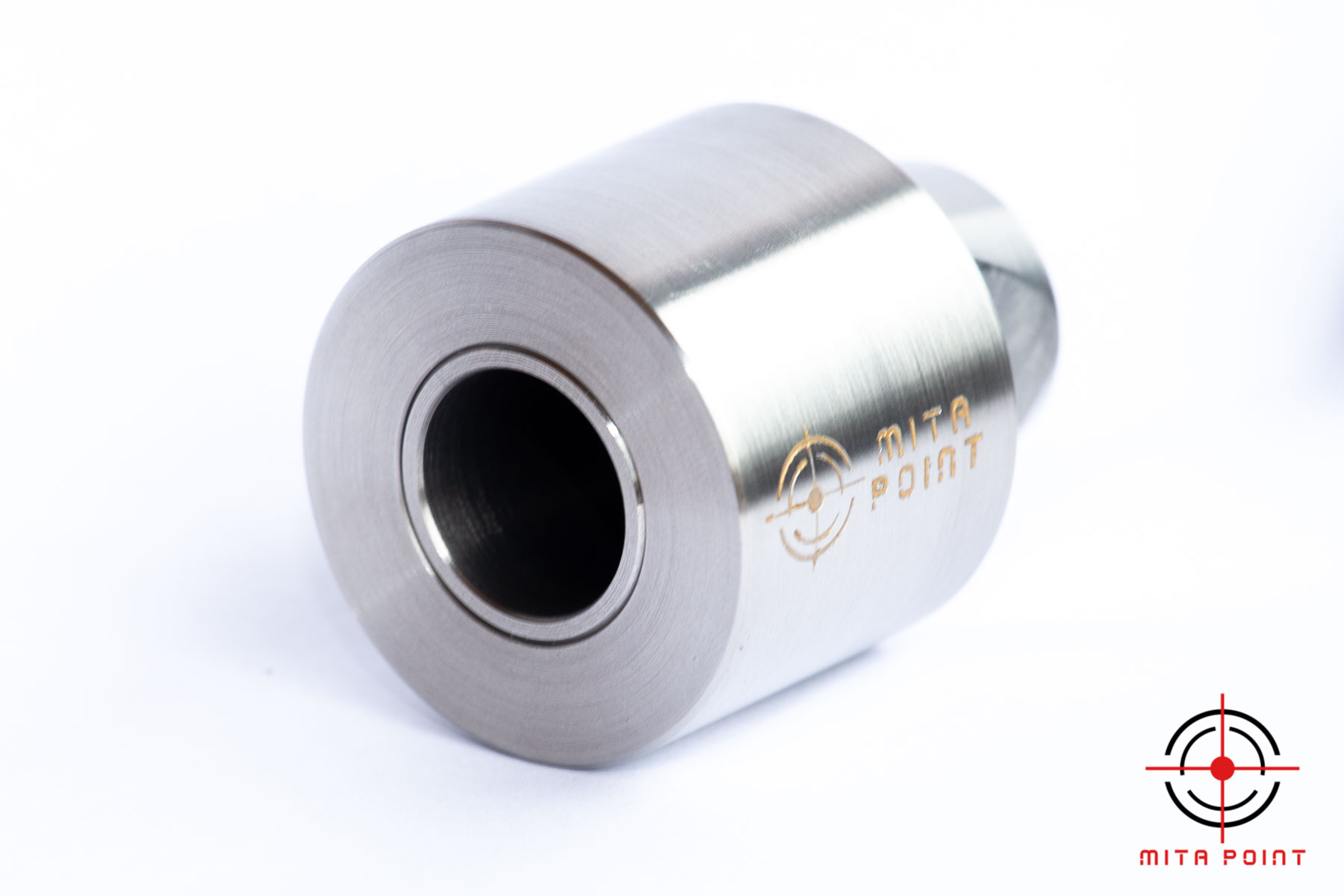
What Is a Barrel Tuner?
First, let's clarify what a barrel tuner actually is, because there are already a lot of questions at this point. Simply put, a barrel tuner is an adjustable weight mounted on the barrel — usually near the muzzle — that influences the barrel's movement and vibration during the shot.
But Why Does the Barrel Move?
Setting aside the obvious causes — because an unsteady hold is a separate problem entirely, and during testing like this, shooter error has to be minimised with the most precise support possible — the answer is fairly simple. When a shot is fired, the increasing pressure inside the barrel is blocked by the projectile still travelling through it. This creates a small wave that travels forward through the barrel and ends in a tiny whip-like snap at the moment the bullet exits the muzzle. That tiny harmonic wave is more than enough to increase group sizes by several centimetres at longer distances.
Here are a few examples of barrel movement — by no means an exhaustive list. The motion and vibration in the animations below are greatly exaggerated, but they illustrate the process well. They also show why it matters enormously at which point of the vibration cycle the bullet exits the barrel.
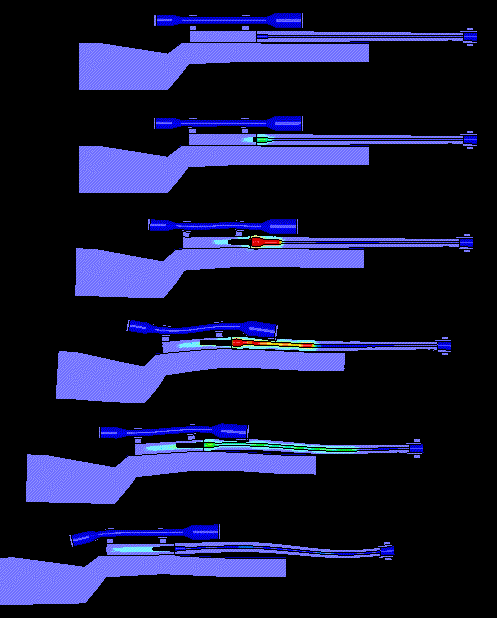
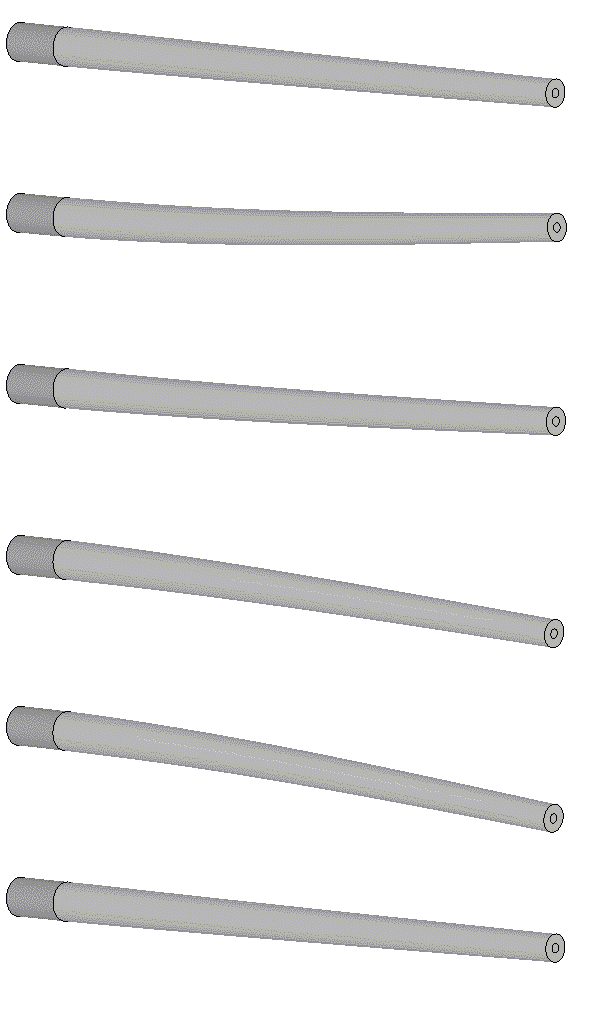
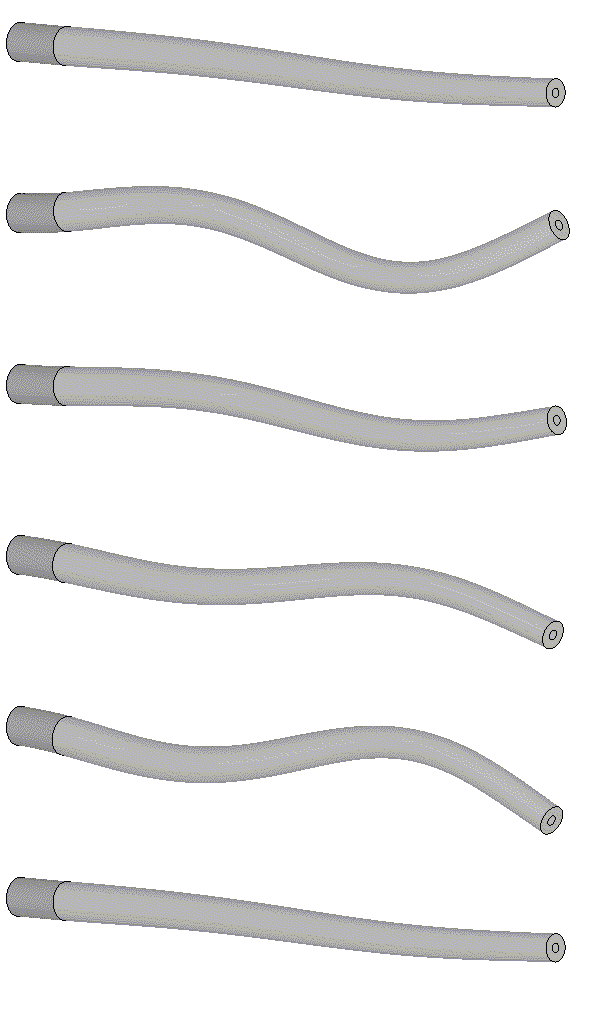
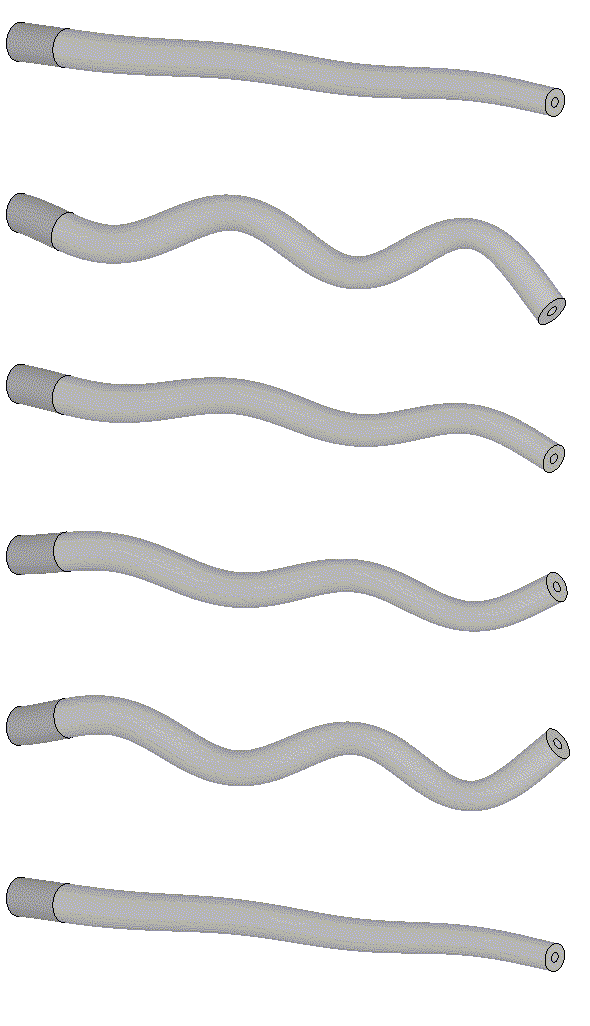
Many different types of vibration can occur. They depend on barrel length, rifling, the powder charge (pressure), bullet weight and material. There are countless tiny factors at play, and we can't eliminate them entirely. What we can do is find a way to reduce their negative effect on accuracy.
That's exactly the role of the MitaPoint barrel tuner — to synchronise the vibration with a given load and dampen that tiny whip-like snap, so the bullet consistently leaves the barrel at the same point in the vibration cycle. This can vary from rifle to rifle, and even from load to load in the same rifle. That's why a consistent, stable-performing ammunition is so important. Fortunately, such ammunition can be found even at the more affordable end of the market.
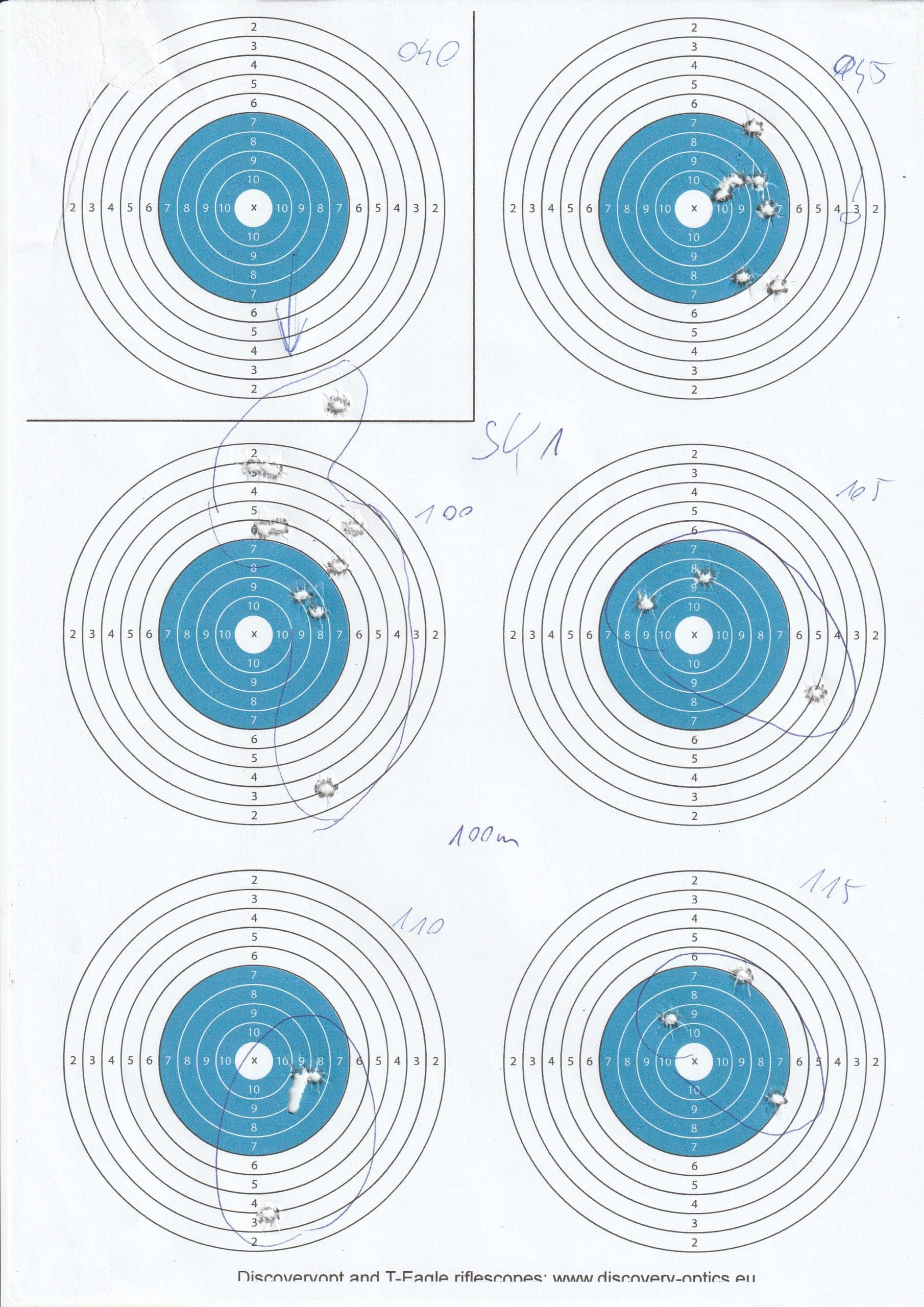
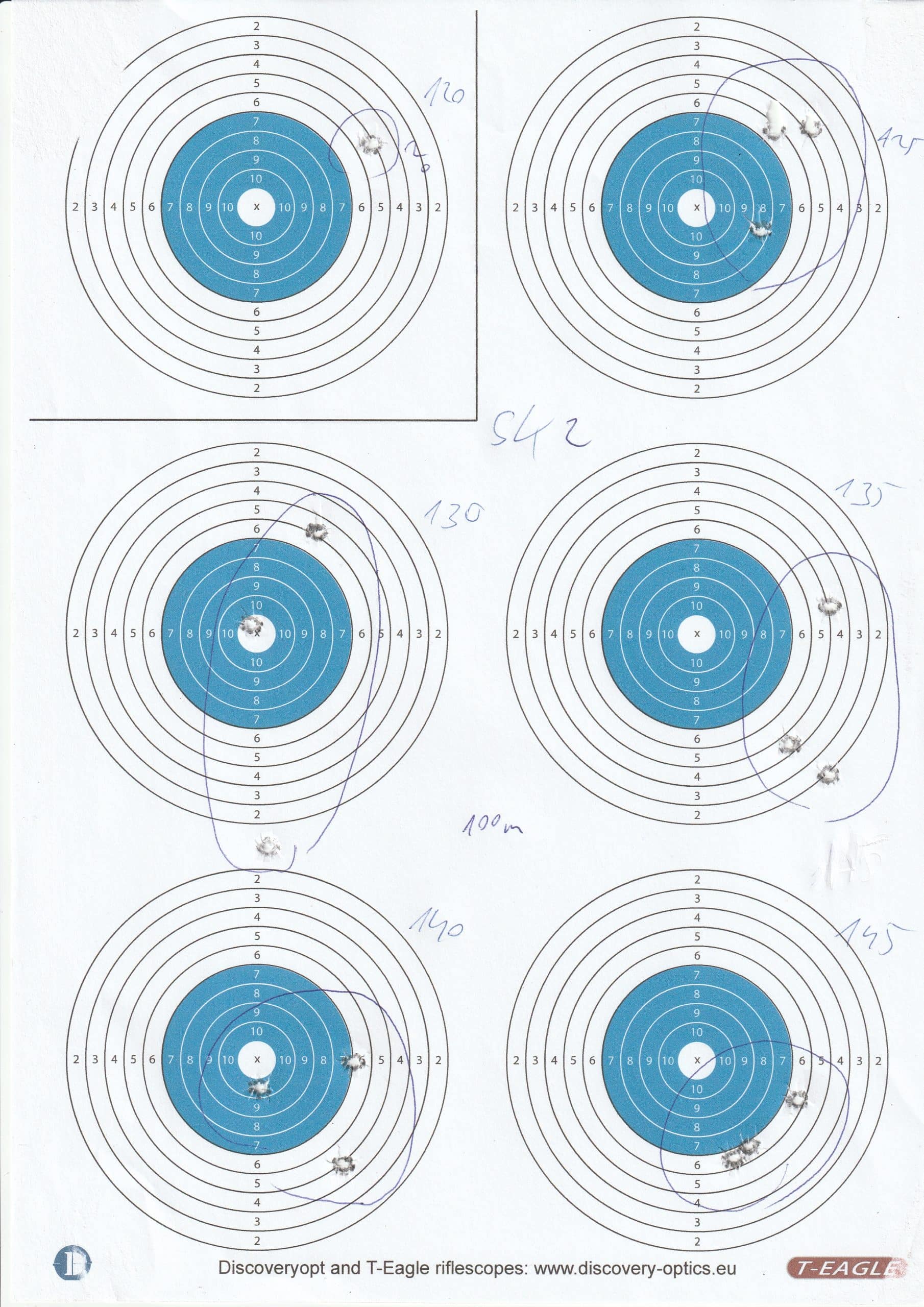
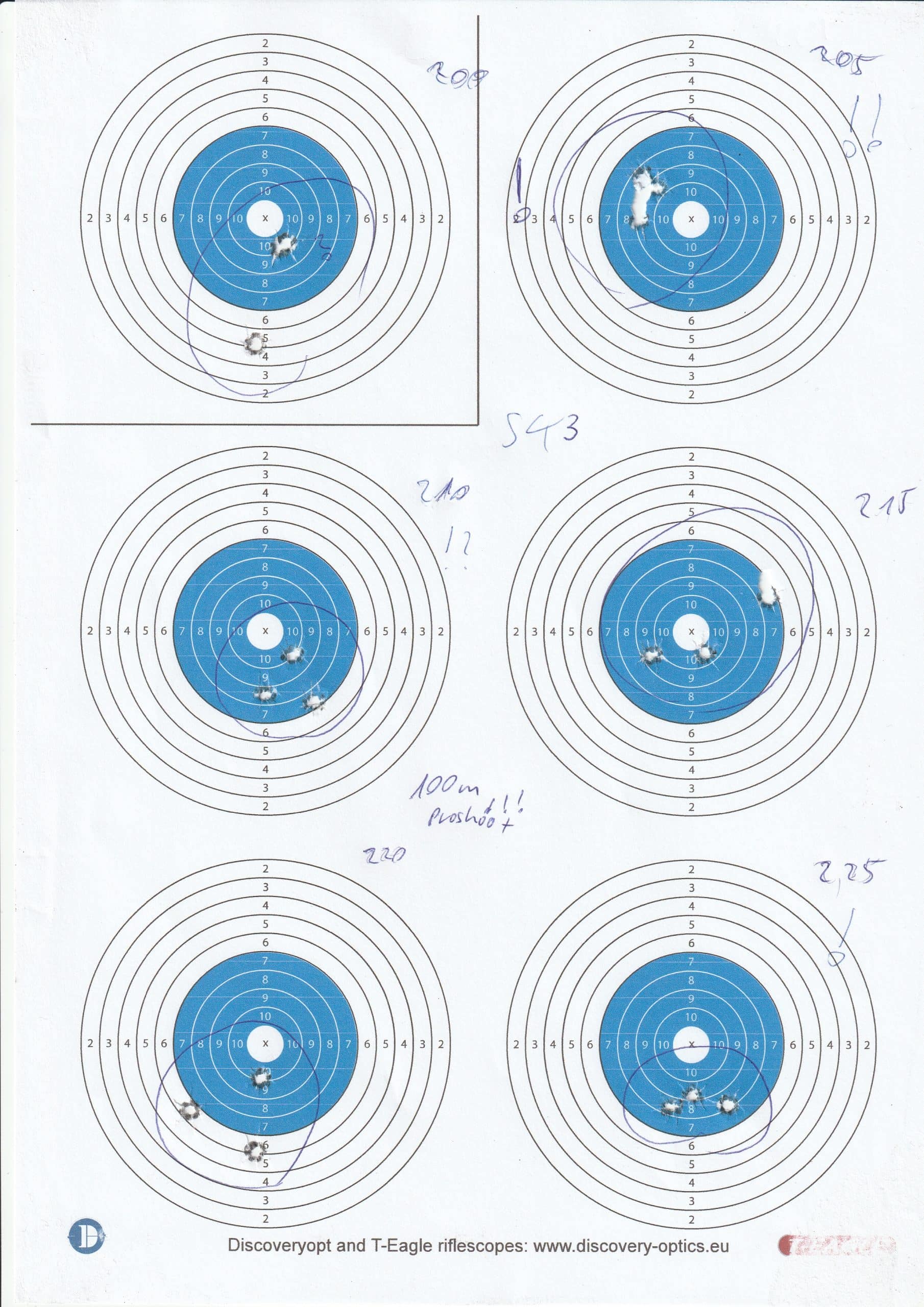
By moving the muzzle weight forward or backward, you can bring that vibration into sync — or at least minimise its effect. During testing, I unintentionally proved this to myself. With as little as 0.1 mm of adjustment (I tested every five graduations), the group pattern sometimes changed completely and the point of impact shifted by several centimetres. At one point, a single adjustment moved the group from one side of the target to the other. I typically shot groups of 3 or 5 rounds. I'll post the targets here and include them in the video as well.
When might you need a MitaPoint barrel tuner? Primarily for precision shooting — F-Class competitions, or any situation where you need to hit accurately at longer distances. These are usually supported shooting positions: prone or seated with the rifle rested. In several cases, it also turned out to help with stability in standing position. Those are the obvious use cases, but there's an even more common and relatable reason.
For example, when you want to get the maximum performance out of a particular affordable, widely available but fundamentally consistent ammunition.
I myself started getting interested in barrel tuners when affordable, quality .22LR ammunition simply wasn't available. Barely any ammunition was to be found at all. And .22LR rifles are notoriously sensitive to ammunition. My own rifle — a Tikka T1x — only tolerates a handful of loads.
The great strength of a barrel tuner is that you can dial it in for a specific load and then shoot groups that would put expensive match ammunition to shame. And if you tune it for premium ammo, you can squeeze even better results out of that too. 🙂 But so far I've mainly tested with cheaper ammunition — and the results were good enough that I don't feel the need to buy the expensive stuff. 🙂
This matters quite a bit, since premium ammunition can cost three to four times as much as a budget option and isn't always easy to source. So I did some research online into barrel tuners — what solutions exist and where to get them.
I quickly realised that most of the available solutions didn't appeal to me for one reason or another. And even when they did, they were very expensive to obtain, and many manufacturers don't ship to Hungary. So I scoured the internet for whatever information I could find, then sat down at the drawing board and sketched out the first drafts for the MitaPoint barrel tuner. I discussed those with a machinist, then revised the design again. The tuner went through many small iterations before the first prototype was ready. Unfortunately, the specialist was quite backed up with work, so even that first testable unit took a while to arrive. But when it did, I received a very precise, well-made part.
And Finally, I Got to Try It Out.
The test ended up taking two days and was carried out at the Proshooting range. The setup was a Tikka T1x .22LR rifle, and the ammunition used included SK Standard Plus, Blazer, SK Rifle Match and CCI Standard. The scope was a Discovery Optics LHD 6-24×50 SFIR FFP-Z.
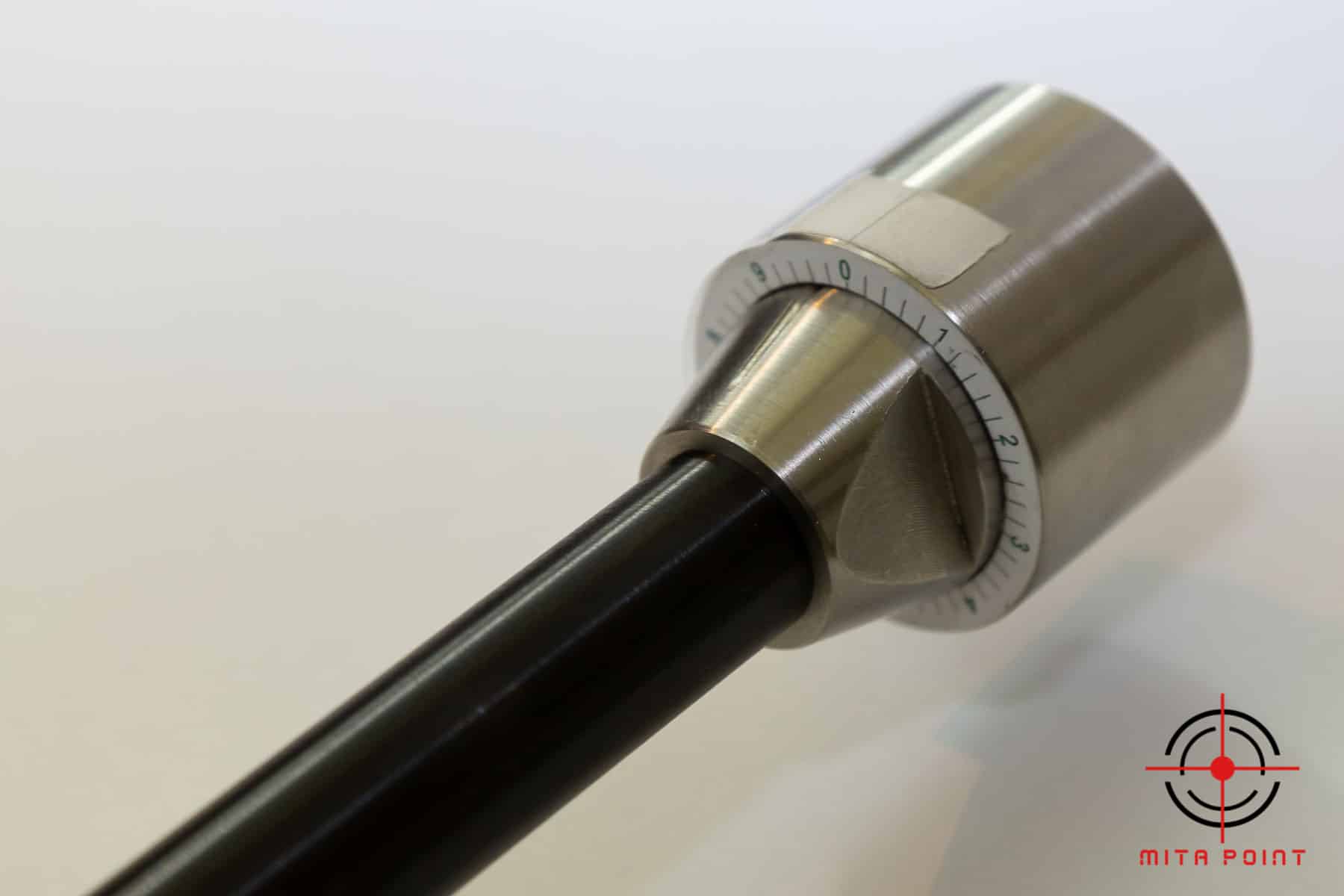
The tuner used for testing was a prototype. I even stuck the scale graduations on myself with self-adhesive paper labels — not exactly high-tech, but it did the job perfectly. In fact, it revealed that the first circular scale wasn't practical: I really struggled to read those tiny numbers at the range. So I revised the numbering, then revised it again during the final refinement. 🙂 The final engraved scale also took manufacturability into account.
I started from the base setting and began turning the weight inward. One full turn moved the tuner 1 mm. There were 50 graduations on the scale, so each graduation corresponded to 0.02 mm of adjustment. I moved the tuner 5 graduations — 0.1 mm — between each group. Even such a tiny adjustment produced clearly visible changes in the groups. Between two settings, the centre of impact sometimes shifted by several centimetres, and there were both very tight and very large groups. So it was clear that the tuner was having a real effect on the results.
The test ended up needing two days partly because the first session fell on a Saturday. I arrived late and had barely an hour before the range closed. In that first session, I only managed a basic test and fired at the range's own targets — plain dot targets. I shot just 16 series with the SK Standard Plus, which covered a full turn plus five larger divisions, about half the full adjustment range. No video was recorded, but even that day was very promising. The second session was on a Wednesday, when I used my own targets and filmed the whole thing.
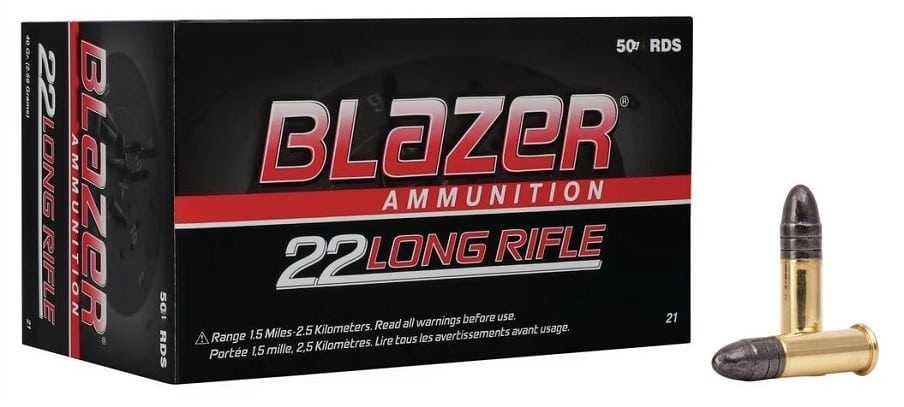
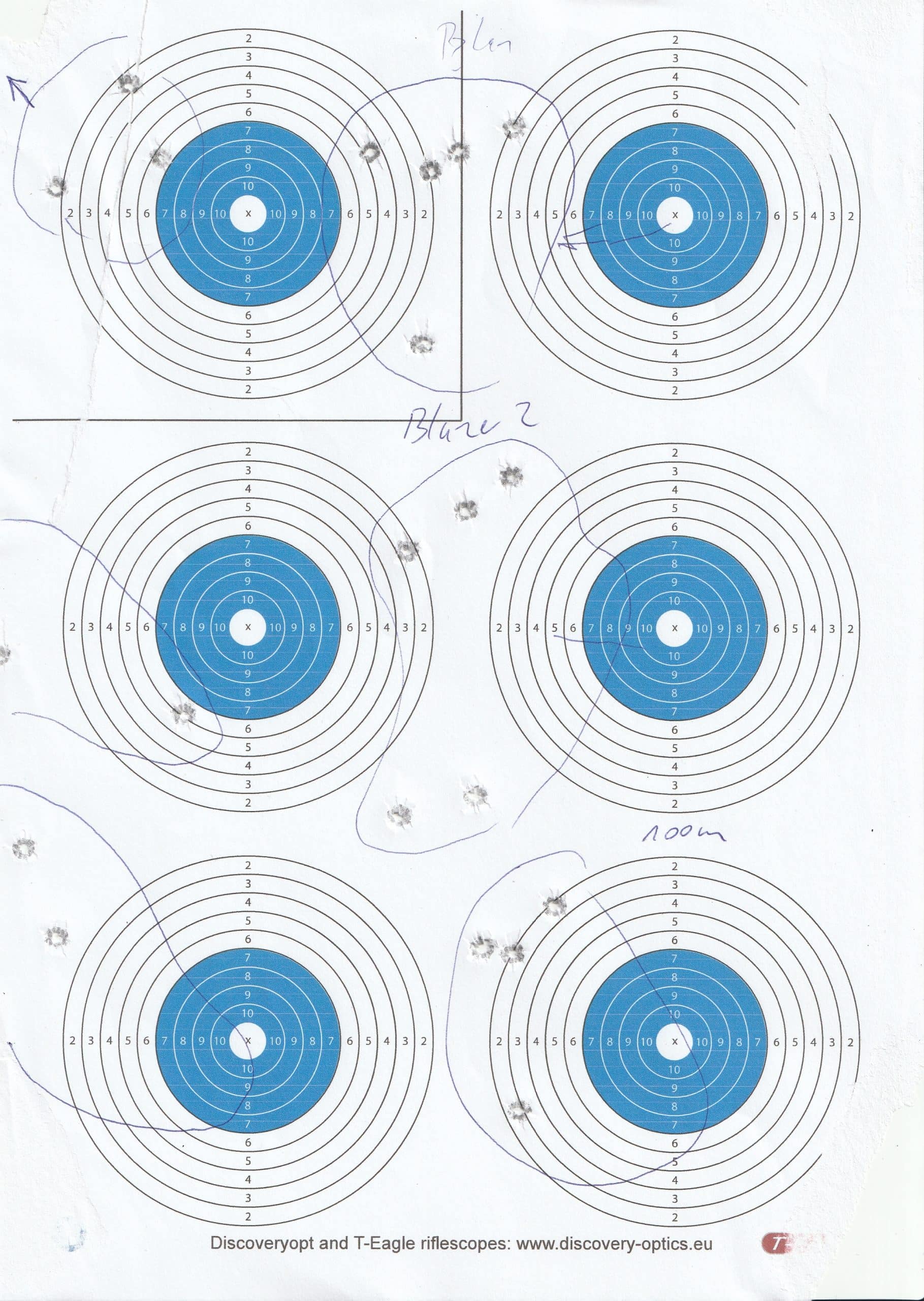
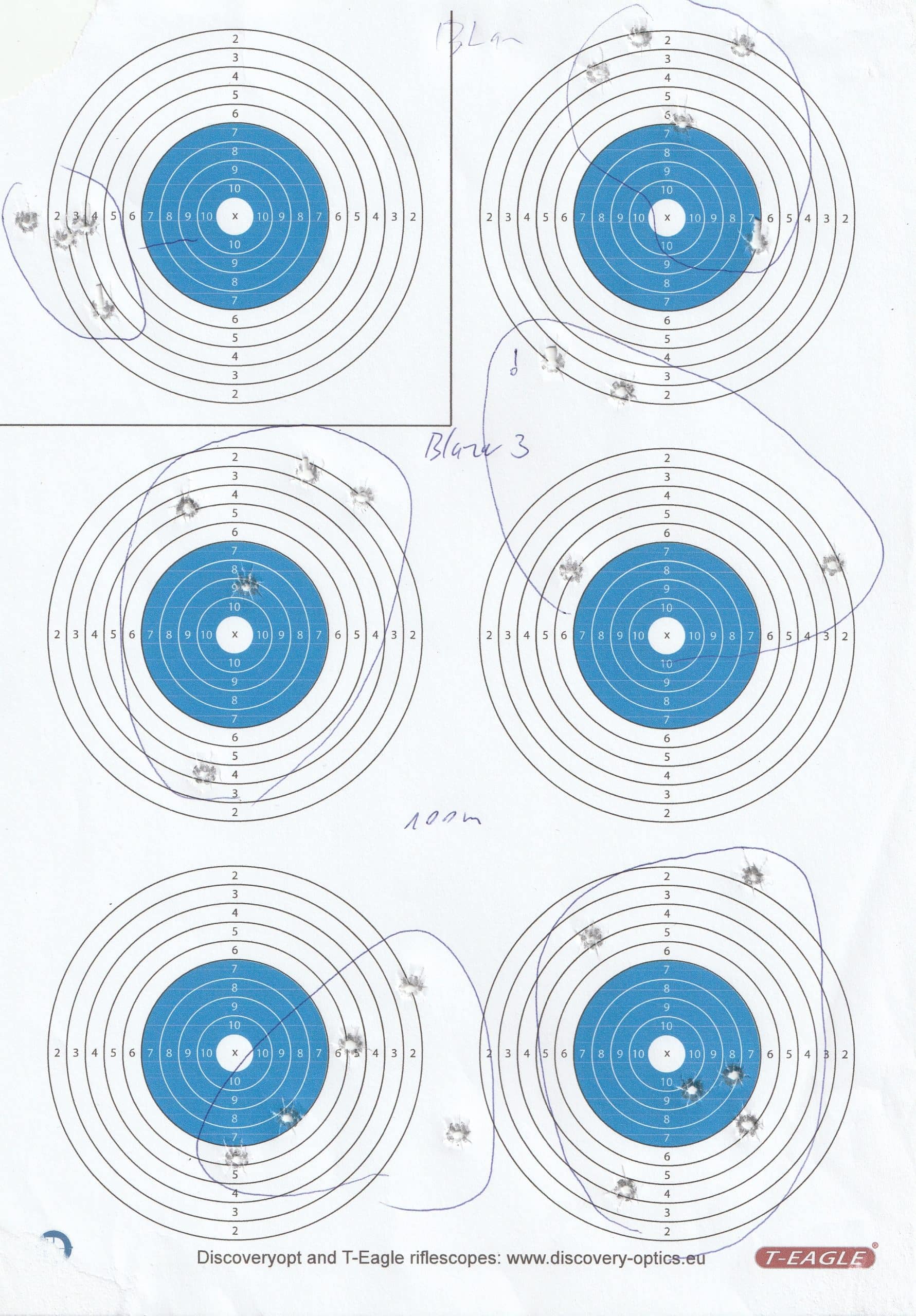
For that second session, I started with the Blazer ammunition, which had looked promising at 50 metres without a tuner — tight groups and good results. But at 100 metres, the grouping fell apart completely. I was hoping the tuner could change that.
I was wrong. Unfortunately, the tuner couldn't rescue the Blazer's 100-metre performance. After around 130 rounds, I gave up on Blazer. No setting produced a usable group. I shot 5-round groups and adjusted by 5 graduations (0.1 mm) between each one. At 50 metres, I got tighter groups than without the tuner, but at 100 metres it just wasn't good enough. Groups were tighter than without the tuner, but still far from what I was hoping for.
There are probably several reasons for this. One possibility is that the Blazer's muzzle velocity is above the speed of sound, and it drops below transonic somewhere around 50 metres (depending on the rifle and barrel length) — and that transition may be wreaking havoc with 100-metre accuracy. I don't know for certain and I'm not going to dig into it further, because the CCI Standard performs at a similar price point and is excellent.
SK Standard Plus Delivered.
Since the Blazer didn't live up to expectations after around 130 rounds, I switched back to SK Standard Plus. I returned to the setting where I'd had to stop during the first test on Saturday, fired a few verification shots, then continued testing. With this ammunition, I was shooting noticeably better groups at 100 metres than I had with the Blazer. There were good groups and less good ones, but the difference was very clear.
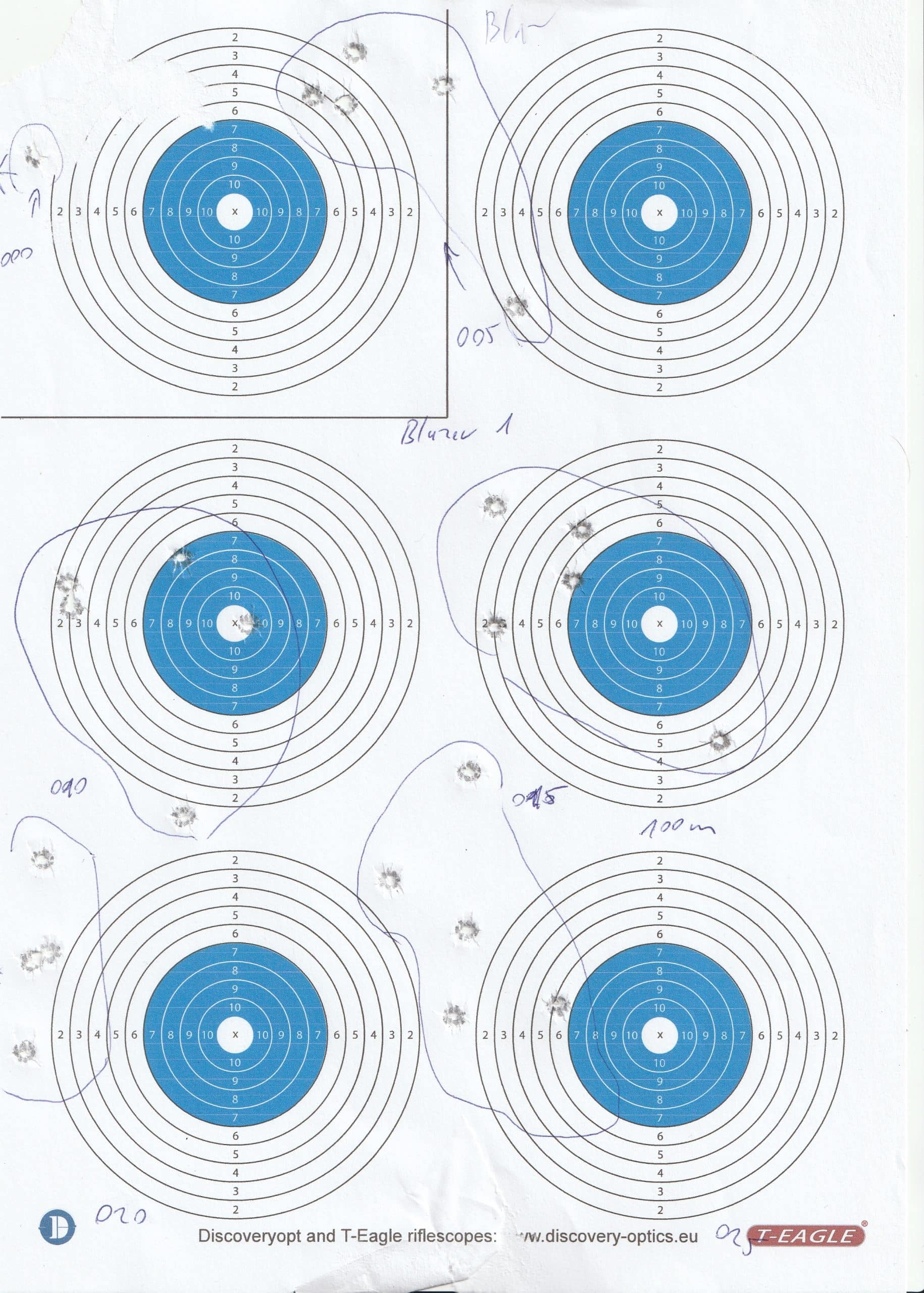
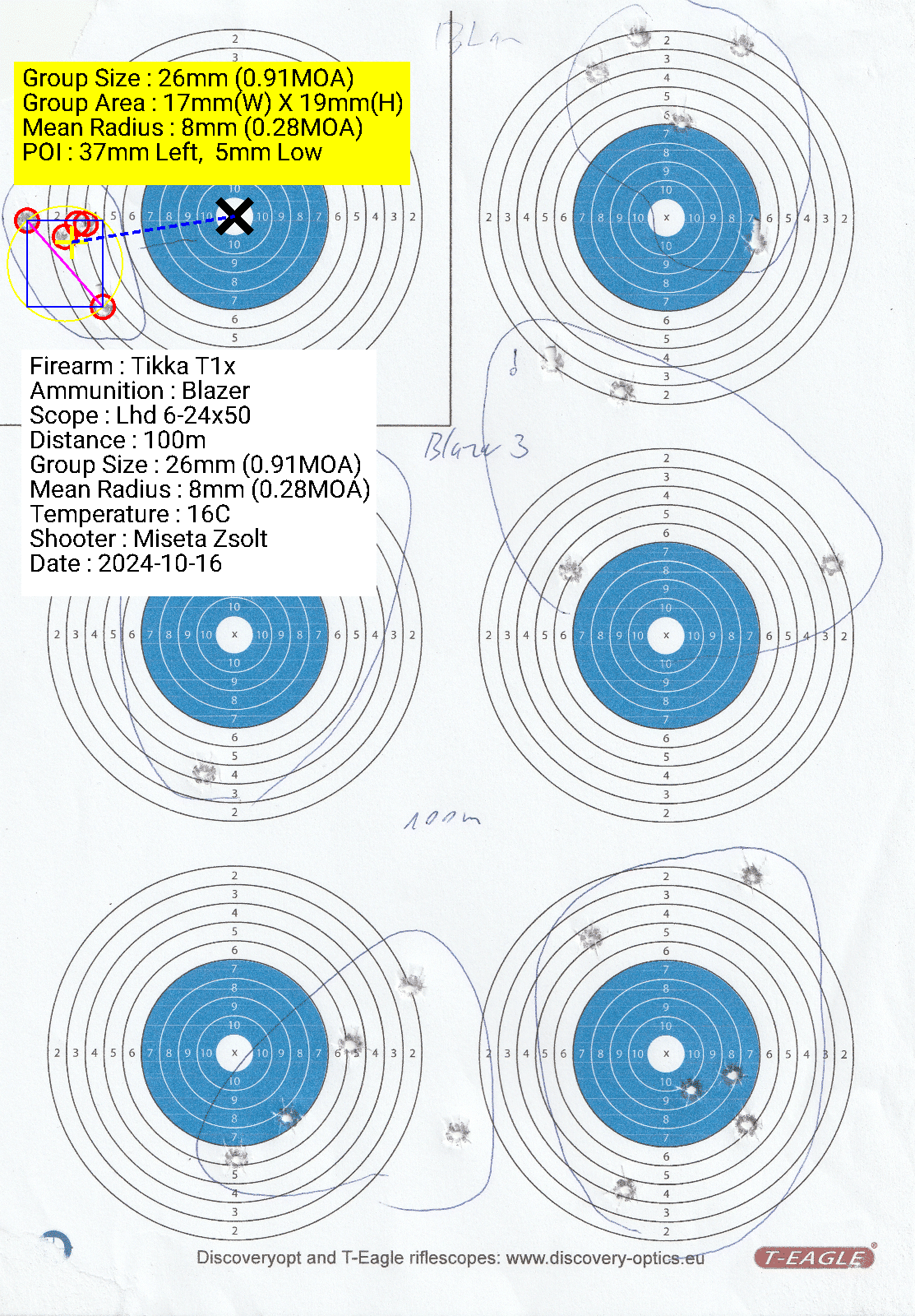
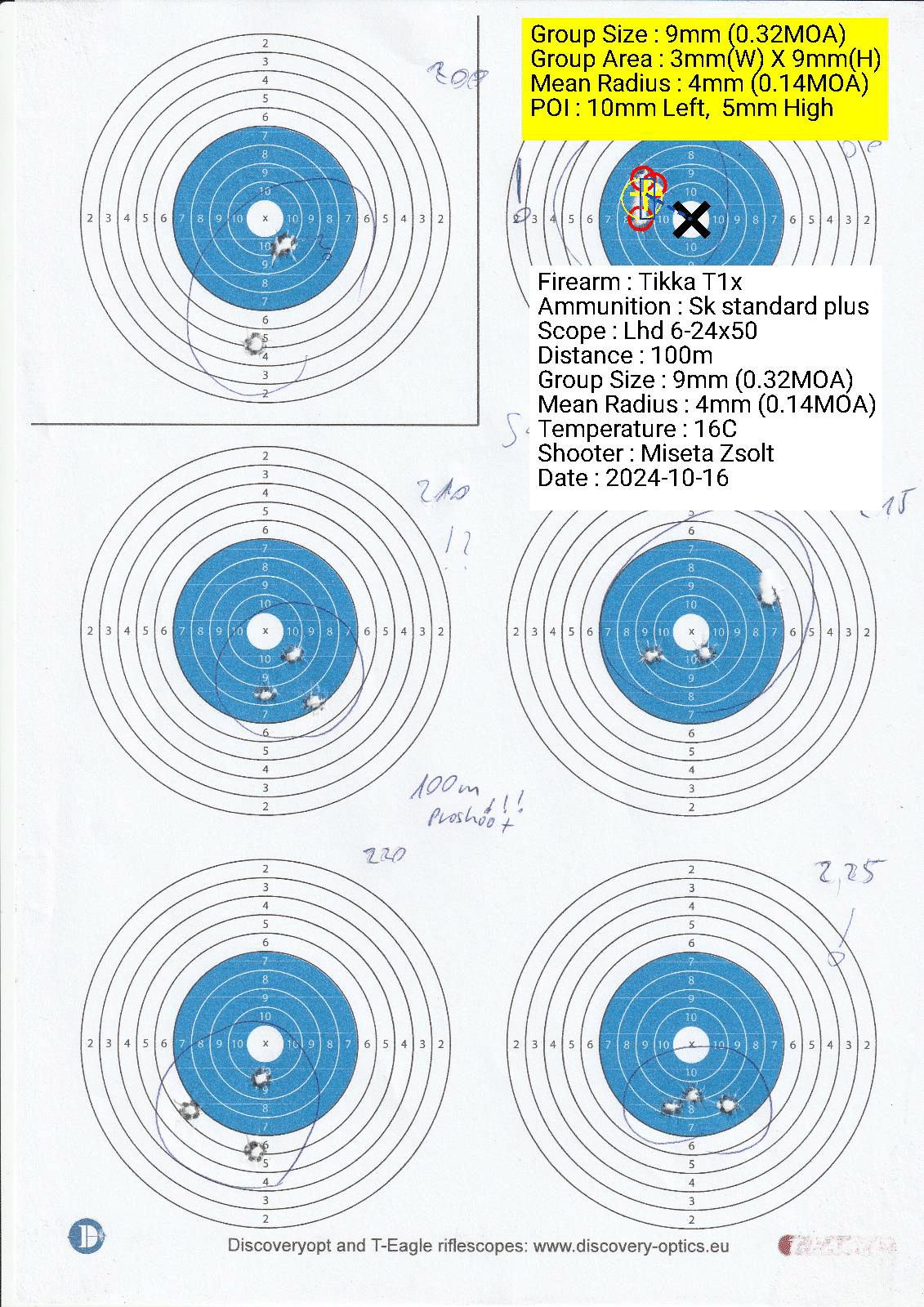
On the target to the right, you can see 6 groups shot at 100 metres with SK Standard Plus. I filled several targets that day, but I've only posted this one here because it also contains the best group of the day. 🙂 I adjusted the tuner between each group. I also analysed the best group.
The best group measured 0.32 MOA. That's at least the best group so far — and the best group I've ever shot with this rifle at 100 metres. But maybe there's still better to come. 🙂
That group was my 21st series in the test. In other words, I shot a LOT before getting there. But it was worth it. 🙂 And there's still room to fine-tune, since I was adjusting in 5-graduation steps. You could still move 1 or 2 graduations either way to refine the setting further — if needed. For me, it's plenty. 🙂
For me, it's been conclusively proven: the MitaPoint barrel tuner is a genuinely effective tool for precision and accurate shooting. 🙂
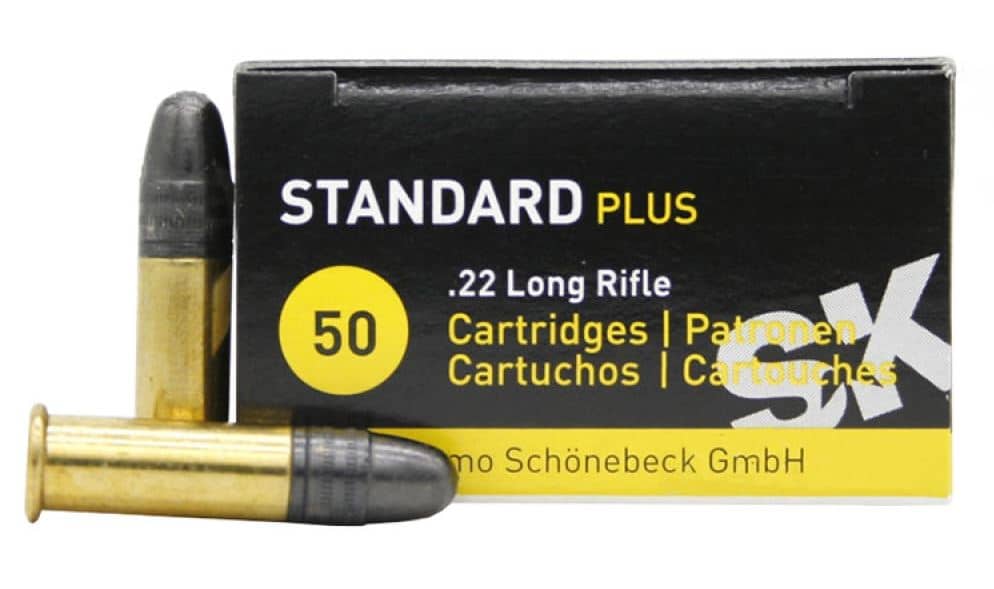
Of course, I was also curious what would happen with other ammunition at the same tuner setting. So I tried both SK Rifle Match and CCI Standard — and shot excellent groups with both. With SK Rifle Match specifically, I'd never previously managed groups as tight as I'd achieved with Standard Plus, yet now it actually did even better — and with the exact same setting as Standard Plus. So I might switch to the red SK. 🙂 Though the yellow is cheaper and the difference is marginal.
The tuner will soon be available in my webshop (on pre-order basis, since the adapter has to be machined specifically for the thread at the muzzle of your particular barrel — on my Tikka T1x that's a 1/2″×20 thread). MitaPoint Barrel Tuner for Precision Shooting
But honestly, I'd only recommend getting a barrel tuner if you're a dedicated shooter. The initial setup takes a fair number of rounds — potentially 100 to 150 — and if you switch to a different type of ammunition, you'll likely need to repeat the process. So it's worth choosing a cheap but consistent-performing load that's easy to source. I have three such loads. One is SK Standard Plus, which is already a good performer in my rifle at 50 metres but for some reason falls apart completely at 100 metres without the tuner. The second is CCI Standard — also excellent at 50 metres (even better than the SK), but catastrophically wide at 100 metres without a tuner. I tested the CCI Standard with the tuner as well: the 100-metre groups were very good, though not quite matching the two SK loads. With a little more fine-tuning, I believe the CCI Standard could match them too. Unfortunately, I didn't have enough CCI rounds with me during the test to run a full session.
But once you've dialled in the tuner for three or four loads and noted the correct setting for each, all you need to do later is set the tuner to the right position for whichever ammunition you're using that day.
Of course, after that I can't blame the equipment when I miss. 🙂
Video about the barrel tuner
If the video doesn't load for some reason, you can find it here: How to become a sharpshooter? – MitaPoint Barrel Tuner